
Misconceptions About Vaccines and Autism Persist Among US Adults


Around one in six adults in the United States still believe that childhood vaccines can cause autism, despite decades of scientific research finding no link between the two. A new national survey has also revealed significant gaps in public understanding of measles, its risks and routine childhood immunization.
The survey, conducted by the Annenberg Public Policy Center (APPC) at the University of Pennsylvania, found that 17 percent of respondents believe vaccines given to children against diseases such as measles, mumps and rubella can cause autism. Another 19 percent said they were unsure, while 64 percent correctly rejected the claim.
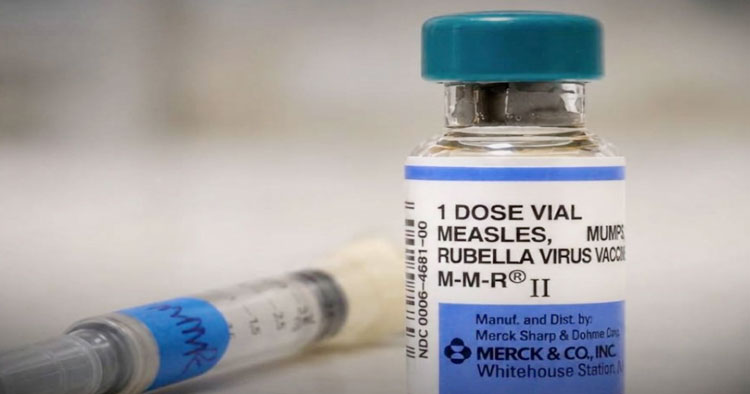
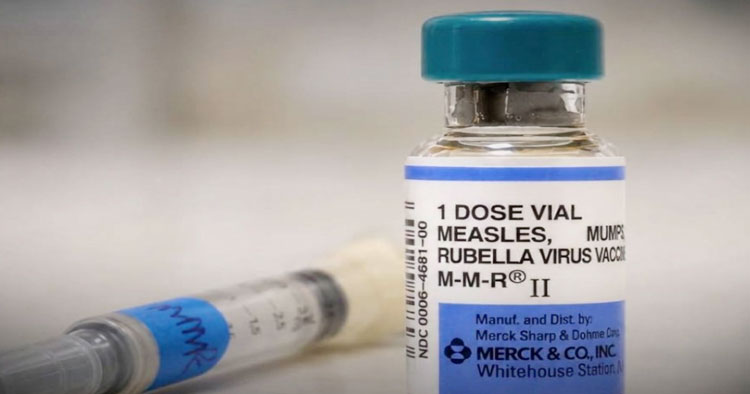
Scientific evidence has consistently shown that the measles, mumps and rubella (MMR) vaccine does not cause autism. Decades of large-scale population studies and repeated systematic reviews have found no causal relationship between vaccination and autism. The World Health Organization's vaccine-safety experts have also repeatedly reaffirmed this scientific consensus.
The survey also highlighted a lack of public knowledge about measles and its potential consequences. Asked how many children infected with measles die from the disease, only 9 percent selected the answer "about one in 1,000." This was the closest available option to the US Centers for Disease Control and Prevention's estimate of one to three deaths per 1,000 infected children. A majority of respondents, 59 percent, said they did not know.
Understanding of routine childhood immunization schedules was also limited. Only 34 percent of adults knew that children need two doses of the MMR vaccine to complete the recommended series, while nearly half were unsure.
The first MMR dose is recommended at 12 to 15 months of age, followed by a second dose between the ages of four and six. Two doses provide approximately 97 percent protection against measles.
The findings come at a critical time for public health in the United States. The country has recently lost its official measles-elimination status, which is based on interrupting continuous domestic transmission of the virus rather than preventing every imported case.
The survey also found widespread distrust of federal health leadership. Around 61 percent of respondents said they lacked confidence that Health and Human Services Secretary Robert F. Kennedy Jr. provides trustworthy public-health information.
The survey was conducted from November 6 to 8, 2026, among a nationally representative sample of 1,028 US adults. The margin of sampling error was plus or minus 3.5 percentage points.
The research was conducted by the Annenberg Public Policy Center of the University of Pennsylvania in collaboration with SSRS.