
The Hidden Story of HIV Spread



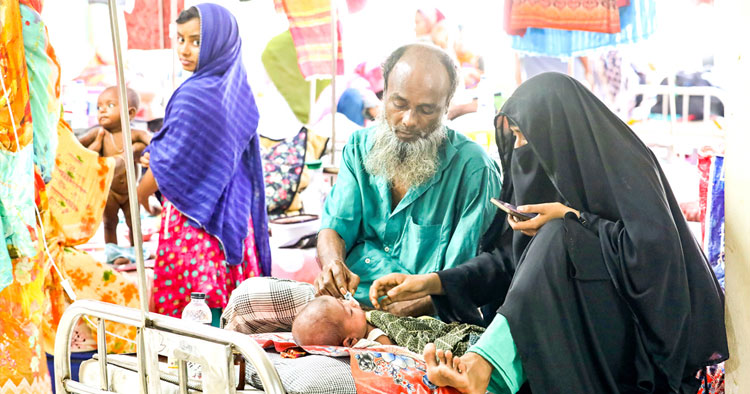
In the past two weeks, the country has reported new cases of HIV. According to the latest report from the Department of Health, the rate of newly identified patients continues to remain high. But does this increase reflect risky behavior? This question has now become the biggest concern for health authorities.
Dhaka remains the most high-risk area, similar to other large cities—fast-paced lifestyles, numerous close contacts, and secret relationships all increase the threat.
Cities like Chittagong and Khulna are also seeing a rise in new infections. District officials have noted that many of the newly identified patients come from the “general” population, who were not previously considered at high risk. This indicates that the infection may be spreading silently on a larger scale.
Many people in the country still hesitate to get tested for HIV due to fear, social stigma, and lack of confidentiality. Avoiding testing can increase the risk of further spread.
MPN Geo mentioned that rapid leadership, counseling, and ensuring confidentiality have helped identify more patients. However, district-level testing and treatment facilities remain limited.
Youth are increasingly using casual encounters, online communication, and apps to maintain anonymity. This is compounded by reluctance to use condoms.
Another major factor is migrant workers. Many work in the Middle East under challenging conditions, but access to knowledge and counseling remains very limited for them.
One young patient (name withheld) said, “Even after testing, I felt scared thinking about how others would see me. That fear is now gone. The country has made testing easier and more effective, but one still has to actively seek treatment.”
HIV can be controlled with proper measures. Strengthening district and sub-district healthcare systems, as well as providing confidential and supportive sexual education in schools and colleges, is essential.