
Icky and heartbreaking’: The low-paid worker behind the OnlyFans surge

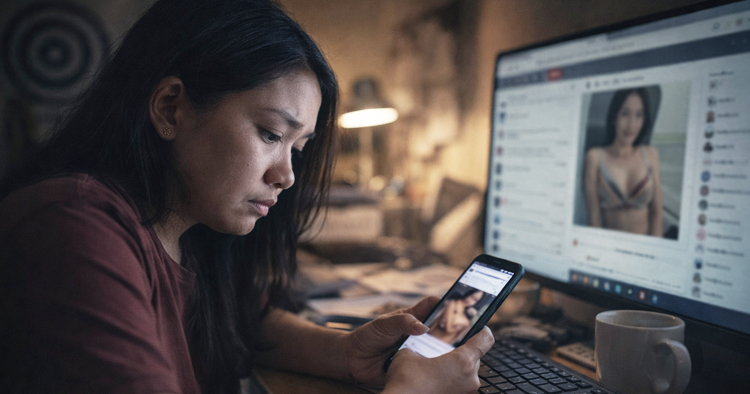

A woman in the Philippines has shared her difficult experience working for less than $2 per hour, pretending to be high-earning OnlyFans creators in online chats. She described the work as "heartbreaking" and emotionally draining.
OnlyFans connects creators of adult content to subscribers, who pay for access and interaction. While top creators earn substantial amounts, much of the customer interaction—encouraging fans to buy photos and videos—is carried out by low-paid workers employed by third-party agencies.
The woman, employed by one such agency, initially took the job to support her family during a period of lower income. She worked eight-hour shifts, five days a week, with a pay rate under $2 per hour, often tasked with generating hundreds of dollars in sales for the model she impersonated. Even when switching to a different agency, her pay increased only slightly, to less than $4 per hour.
She said that despite knowing the job involved explicit content, engaging in frequent sexting felt "icky" and uncomfortable. The interactions were often sad, as fans were clearly lonely, and she felt guilty for pretending to be someone else. "Technically, I'm scamming them," she admitted, knowing her goal was to make sales rather than genuinely connect.
Some requests from fans involved unusual fetishes, which she sometimes found difficult to handle. "There are days where I feel like, 'what the hell am I doing here?'" she said. Regarding her pay, she acknowledged that earning under $2 an hour was "not her finest hour."
Beyond the emotional toll, the work also carried potential legal risks under the Philippines’ strict anti-pornography laws. Mylene Cabalona, president of the BPO Industry Employees' Network (BIEN), noted that the largely unregulated nature of such online work raised concerns about safety, accountability, and exposure to harmful content.
Still, Cabalona emphasized that outsourced digital jobs like these offer some benefits, including the ability to earn income from home and opportunities to develop digital skills. However, she stressed that proper worker protections and regulations are urgently needed to safeguard employees in these roles.