
Fossil fuel reliance leaves Asia exposed during Iran conflict

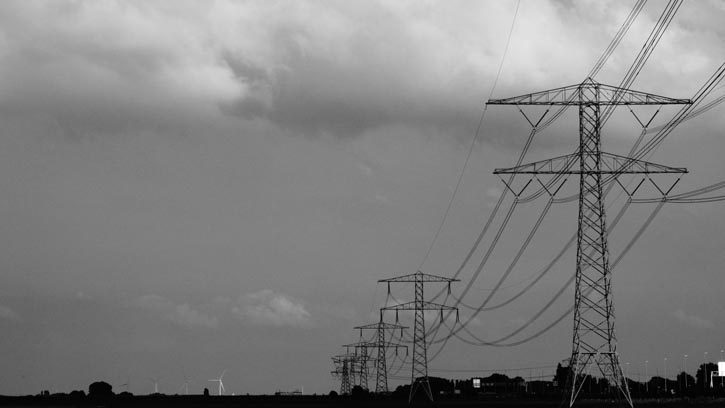

The ongoing Iran war has exposed the economic risks faced by Asian countries that are heavily dependent on imported fossil fuels, with Bangladesh emerging as particularly vulnerable to global supply chain disruptions.
As the second major global energy shock in four years shakes markets, the differing responses of Pakistan and Bangladesh highlight the long-term consequences of energy policy choices in emerging economies.
The crisis follows earlier disruptions in 2022, when soaring liquefied natural gas (LNG) prices—triggered by Russian invasion of Ukraine—led to widespread power outages and inflation across South Asia.
In response, Pakistan saw a surge in consumer-driven solar adoption, with households and businesses investing in rooftop systems to reduce reliance on imported fuels.
By contrast, Bangladesh opted to secure long-term LNG import agreements to sustain its gas-based power generation.
However, the fallout from the ongoing Iran conflict—sparked by US and Israeli airstrikes on February 28—has exposed the fragility of this strategy.
In retaliation, Iran moved to block the Strait of Hormuz, a critical global energy transit route, disrupting contracted LNG shipments.
As a result, Bangladesh has been forced to procure 11 LNG cargoes from the volatile spot market for delivery between March and May, often at significantly higher prices.
The contrast between Pakistan’s rapid solar expansion and Bangladesh’s continued reliance on imported LNG highlights a broader regional challenge: balancing energy security, affordability, and sustainability in an increasingly uncertain global environment.
Bangladesh paid an average of $21.35 per million British thermal units (mmBtu) for the cargoes, double the pre-war prices. That cost the country about $880 million, equal to nearly 15% of its average total monthly imports in the first eight months of the fiscal year ending in June.
In contrast, Pakistan has not made any spot LNG purchases after reducing its dependence on imported fossil fuels to 25%, from 32% before the Ukraine war. While power outages because of gas shortages could occur outside daylight hours when solar power is not available, they are expected to be minimal.
"Bangladesh can draw lessons from Pakistan's success to insulate itself from fuel price volatility," said Shafiqul Alam, analyst at the US-based energy think-tank Institute for Energy Economics and Financial Analysis.
With rising air-conditioning use set to push power demand higher, Bangladesh will buy three more LNG cargoes for delivery in May. Dhaka has already sought $2 billion in external financing for fuel imports, and trimmed public spending.
As its renewable capacity has largely remained stagnant since the Ukraine war, the country now gets 60% of its annual power from imported gas, coal and expensive coal-fired power from neighbouring India, compared with 42% in 2021.
DNK/ J,A